
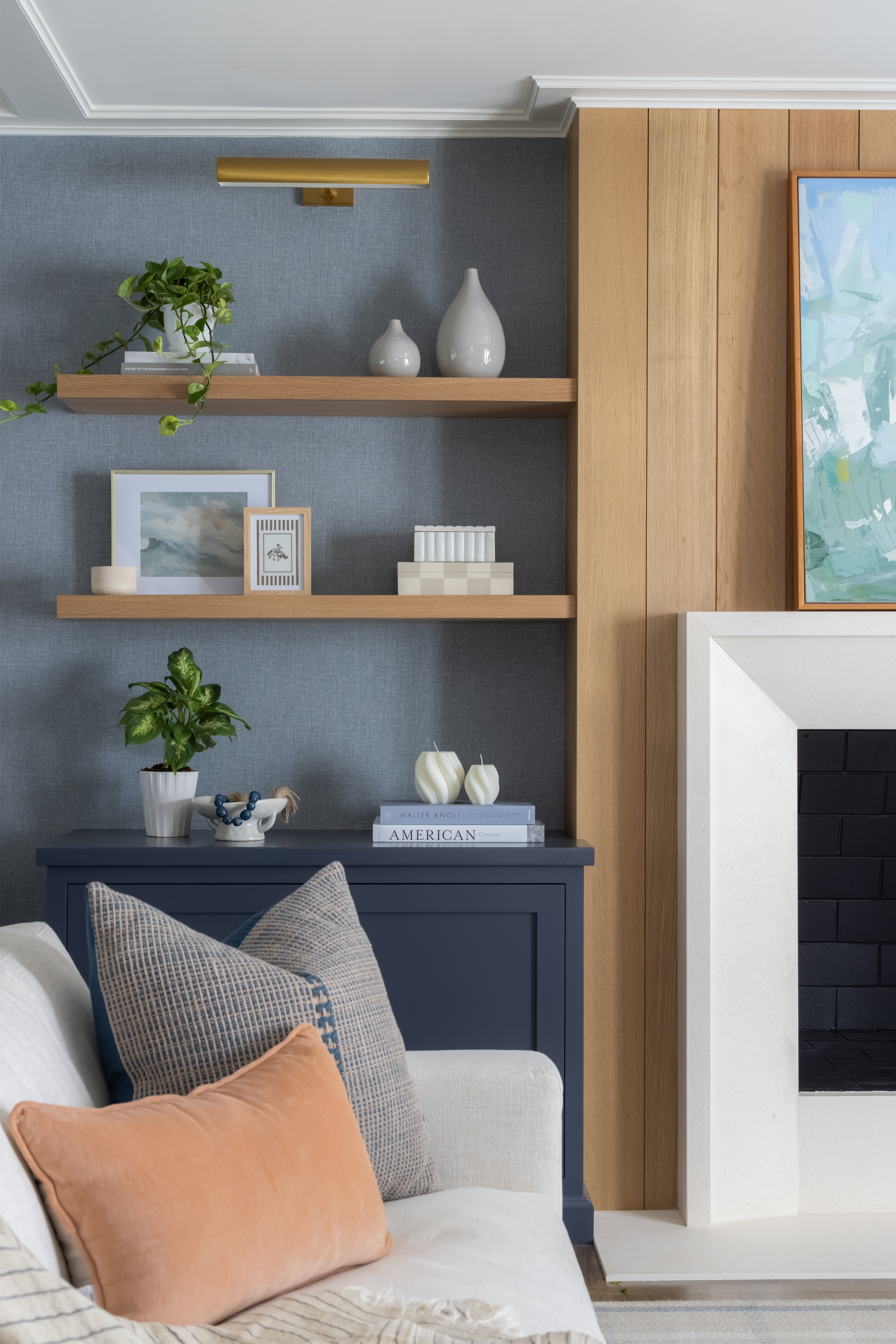
 Homes With Heart, and Smart Strategy
Tri-state homes have so much personality, but they also come with quirks—pre-war walls, tiny city rooms, uneven light, unexpected nooks. Designing well here means understanding how the home really functions.
Here are a few simple strategies anyone can use:
• Start by understanding your architecture. Check where outlets actually are, how wide your hallways run, and where natural light hits before buying furniture or paint.
• Watch your light throughout the day. Morning light vs. evening light dramatically changes paint tones. It’s one of the quickest ways to avoid picking the “wrong” color.
• Make sure pathways stay open. Aim for 36–42 inches of clear space so rooms feel comfortable, not cramped.
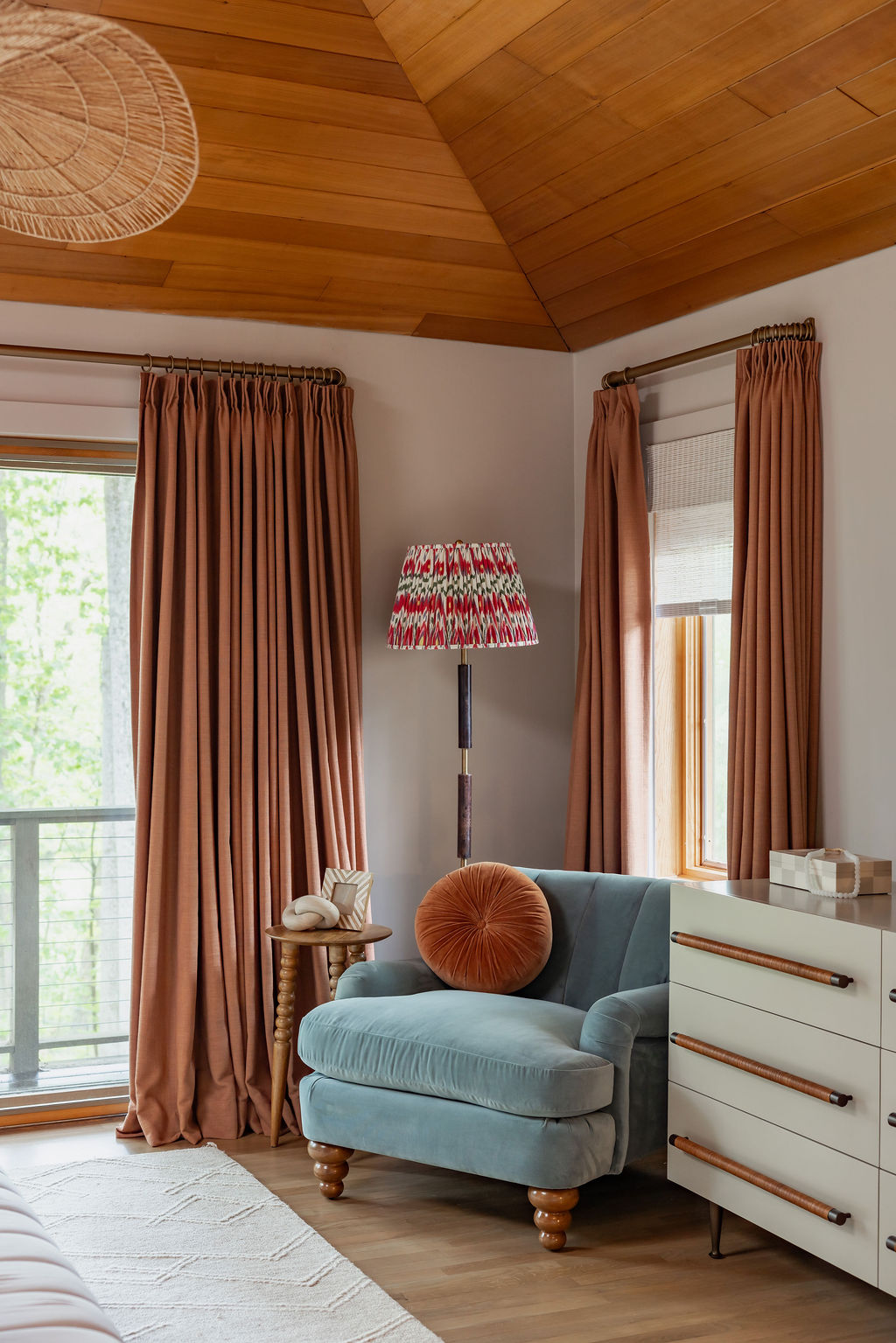 A Little City, A Little Suburb. Spaces That Work Hard
The tri-state lifestyle is wonderfully busy, which means your home has to keep up.
Try this:
• Create zones within larger rooms—a reading area, a work-from-home corner, a dedicated play spot.
• Use flexible furniture: extendable dining tables, nesting tables, benches with storage.
• Choose durable materials that can actually handle real life (performance fabrics, wool rugs, quartz counters).
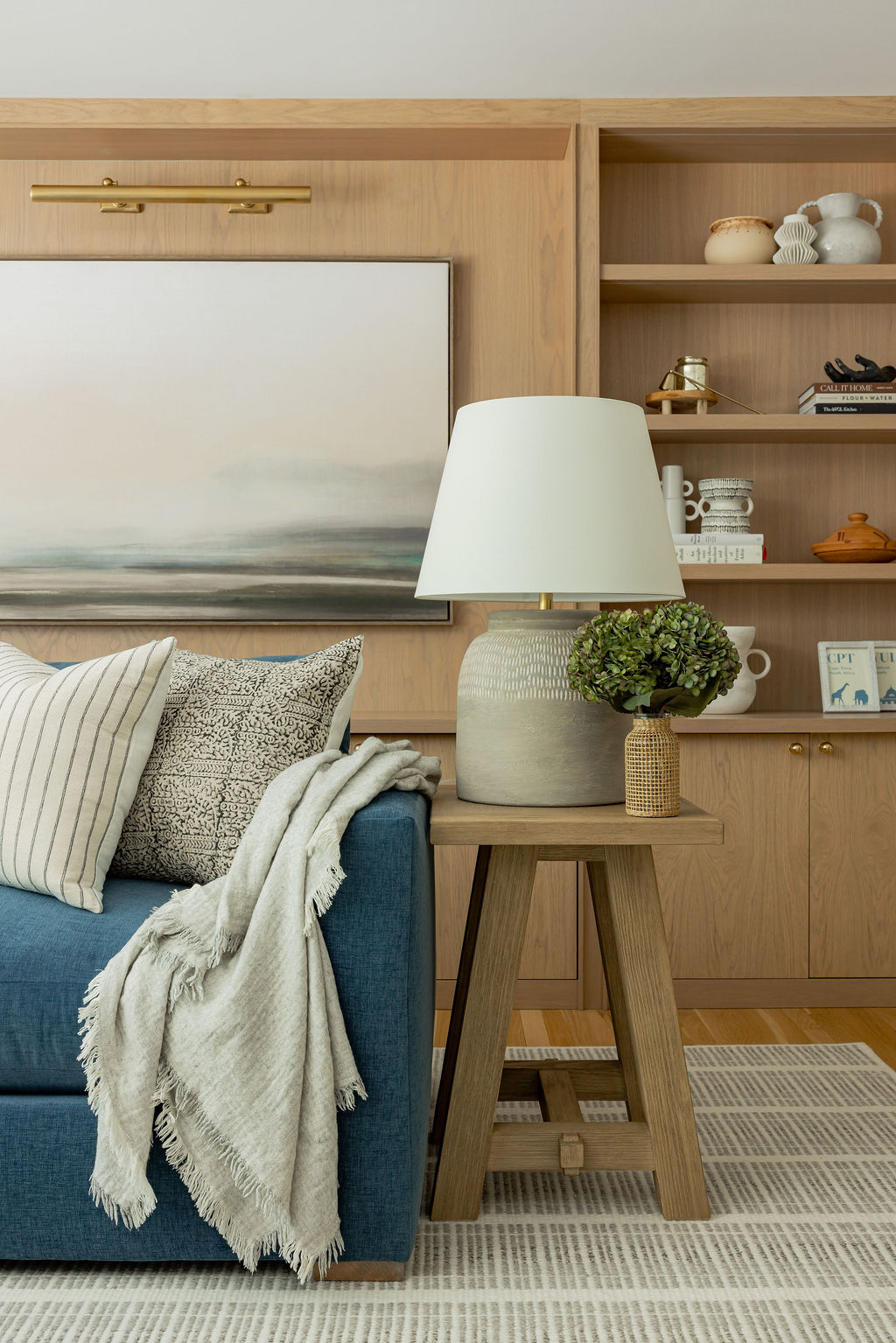 Casual Luxury, the Dwell & Oak Way
We always aim for rooms that feel both elevated and easy to live in.
Here’s how to get that look:
• Layer your textures. Mix a soft rug, a smooth wood tone, and one polished finish like brass or glass.
• Use contrast intentionally: matte with shiny, light with dark, structured with soft.
• Choose furniture with the right proportions. For example, 22–24″ seat depth is comfortable for most living rooms.
 Where Old Meets New. (Without Losing Charm)
Tri-state homes blend eras beautifully, and your design can do the same.
- Keep original details when you can—trim, beams, millwork—and update the surrounding elements for a fresh feel.
• Warm LED bulbs (2700K) make older homes feel updated without feeling harsh.
• Choose transitional hardware and lighting to tie different eras together seamlessly.
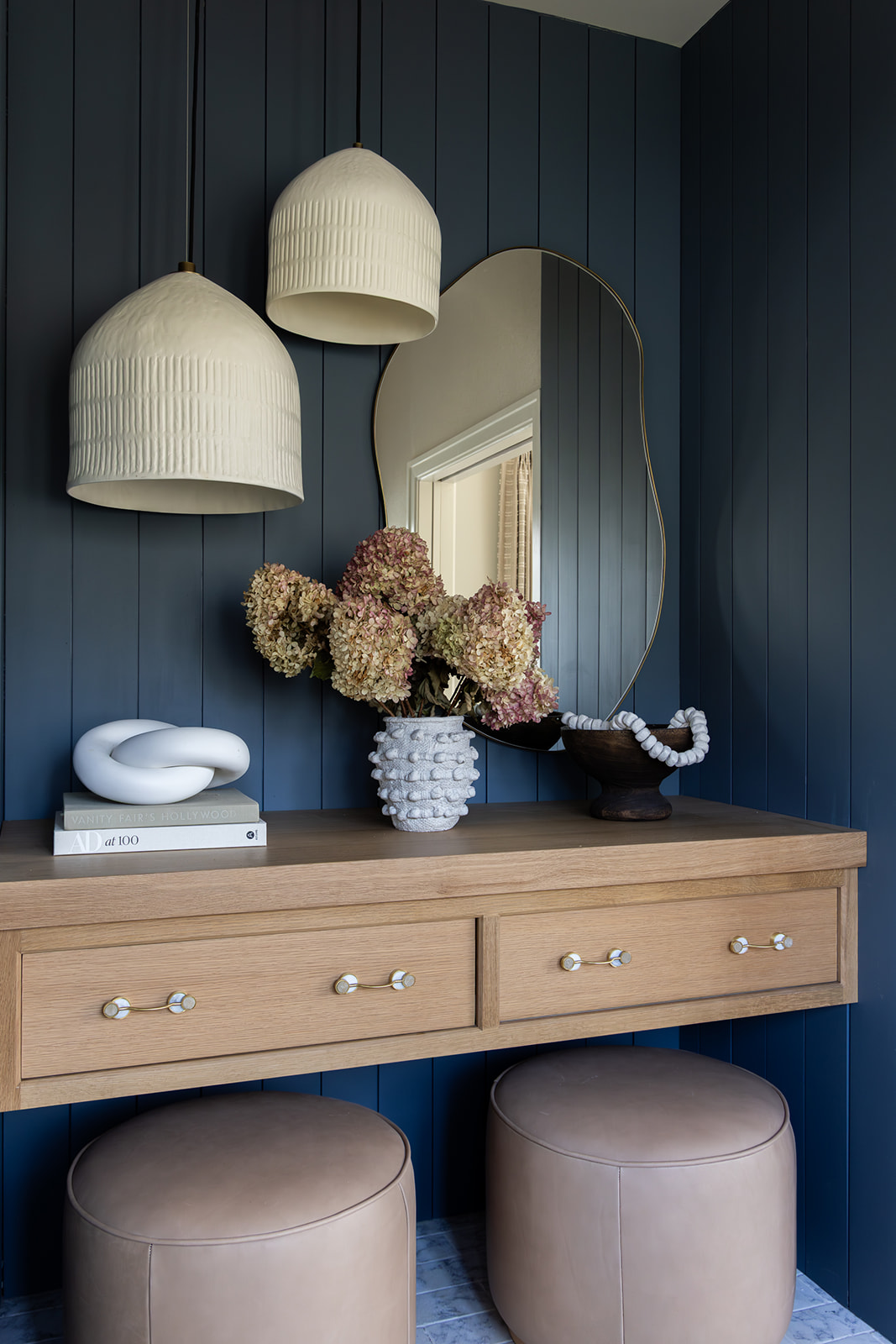 Designed for Real Life
Life here doesn’t slow down, so your home has to support you.
• Add hidden storage where you can—entry cabinets, baskets, built-ins.
• Use layered lighting for maximum comfort and flexibility.
• Pick easy-care materials so you spend more time enjoying your home, not maintaining it.